$60M+ Secured for AAPI Community Organizations
DTC was contracted by the Coalition for Asian American Children and Families (CACF) to provide government relations, policy advocacy, and strategic support around New York City investment in AAPI serving community based organizations. Across two consecutive fiscal years, the coalition’s advocacy contributed to securing more than $30 million annually, resulting in more than $60 million in cumulative public investment supporting nonprofit programs and direct services across New York City.
DTC helped connect technical budget analysis with a coordinated funding strategy. This included analyzing City budget and allocation information, identifying funding priorities and disparities, developing recommendations, preparing organizations for government engagement, and helping translate shared community needs into specific public investment priorities. The work ensured that advocacy was grounded not only in the need for greater investment, but in an understanding of how City resources were being distributed and where gaps remained.
The result demonstrated the value of connecting policy analysis, coalition coordination, government relations, and community advocacy around a shared funding agenda. Rather than pursuing individual organizational requests in isolation, DTC helped support a broader strategy focused on strengthening public investment in the AAPI nonprofit ecosystem and the community services those organizations provide.
$735K Secured in Victim Services Funding for Afro/Indo LGBTQ+ Communities
This award moves CEP beyond fragmented or short-term victim support and provides the resources to build a multi-year, institutionalized service infrastructure. For communities that can face cultural stigma, language barriers, distrust of traditional systems, discrimination, and limited access to identity-affirming services, the investment strengthens CEP’s ability to operate as a trusted bridge between survivors and the broader victim-service ecosystem. This win demonstrates DTC’s ability to help community-rooted organizations translate their lived expertise and existing community trust into fundable, operational service models. Our work helped frame CEP’s approach around staffing, service workflows, measurable outcomes, referral systems, performance management, and long-term implementation, not simply around the need for funding.
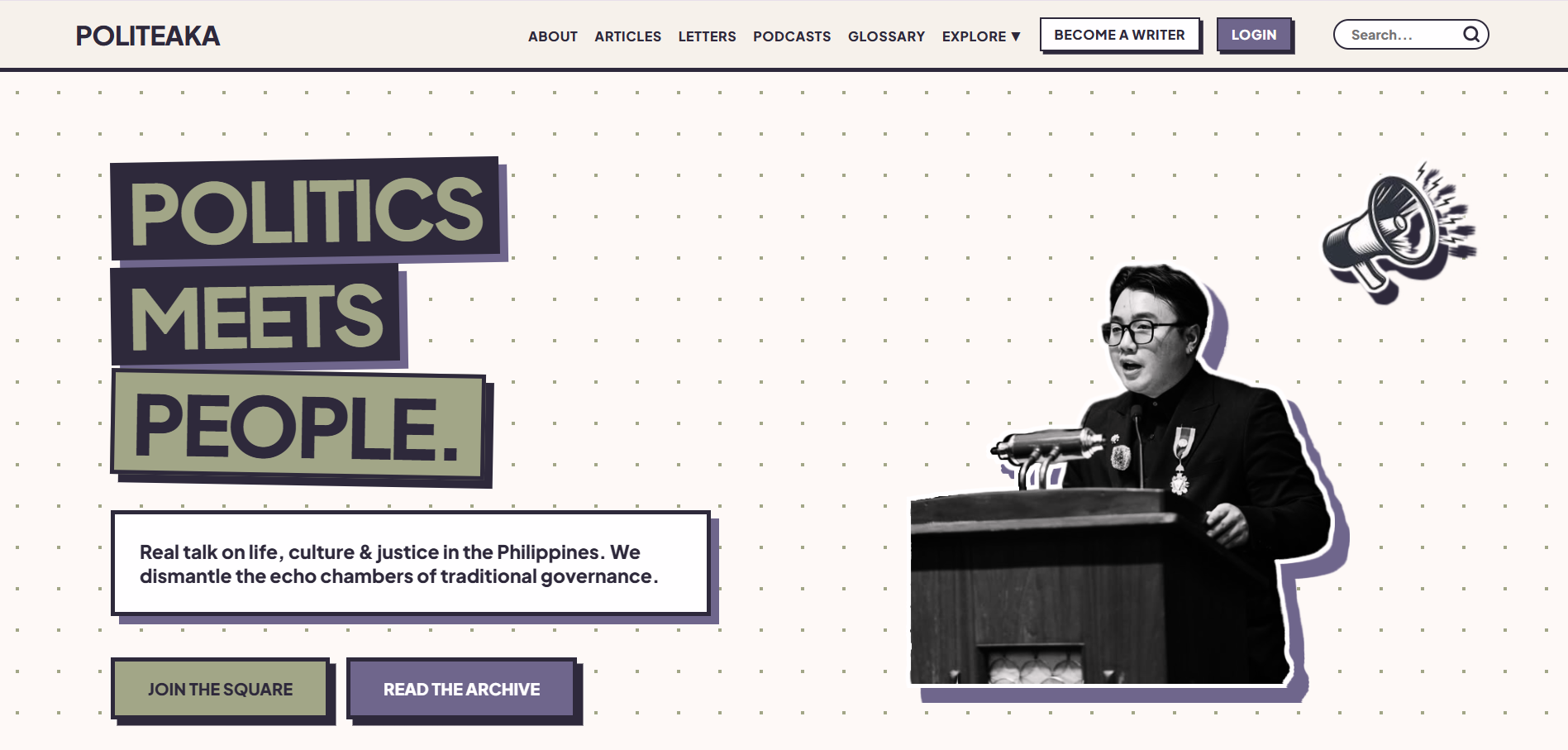
Building a Digital Platform for Accessible Civic & Policy Education
Dare to Change developed PoliTEAka’s website as a digital home for making Philippine politics, public policy, governance, and civic issues easier to understand, transforming complex systems and public debates into accessible resources for everyday Filipinos.
DTC developed the website strategy, structure, messaging, and user experience for PoliTEAka around a simple objective: civic education should not require a background in law, government, or public policy to understand. The platform was designed to organize explainers, commentary, policy education, and civic resources into a more accessible digital experience where users can better understand not only what is happening in government, but how systems work, why issues matter, and how public decisions affect communities.
The website also established a stronger digital infrastructure for PoliTEAka’s growing body of educational content. Rather than relying exclusively on individual social media posts, DTC created a centralized platform where explainers, policy discussions, civic resources, and public interest content could live together, giving audiences a place to engage more deeply with topics introduced through social media.
More broadly, the website helped position PoliTEAka as more than a content series. DTC built a digital foundation for an expanding civic education and public policy platform, connecting accessible communications with deeper learning, public engagement, and a long term mission of helping Filipinos become more informed about the institutions, policies, and systems shaping their everyday lives.
$55K Secured for Filipino Legal Aid Services
Dare to Change supported the Filipino American Legal Defense and Education Fund (FALDEF) during a critical period of organizational reactivation and rebuilding. In Fiscal Year 2025, DTC helped FALDEF secure $25,000 in grant funding, representing the organization’s first grant following a period of limited activity. The funding helped restore FALDEF’s ability to deliver community-facing programming focused on immigrant rights, anti-deportation education, and access to legal and social-service resources. The initiative supported Know Your Rights workshops designed to connect immigrant community members across varying immigration statuses with critical information, legal resources, and community-based support.
DTC continued its grant development and program strategy support into Fiscal Year 2026, helping FALDEF successfully renew and increase the award from $25,000 to $30,000. The additional investment expanded FALDEF’s capacity to provide legal-aid workshops and clinics across New York City, strengthening access to immigration-related legal education, resources, and assistance.
Across FY2025 and FY2026, DTC helped FALDEF secure $55,000 in cumulative funding for its immigrant-rights and legal-service programming. More significantly, the engagement created continuity between FALDEF’s initial reactivation funding and its subsequent renewal, helping the organization move from restarting programs toward rebuilding a more consistent and sustainable community-service presence.
$15K Secured for South Asian and Muslim Civic Engagement Infrastructure
This award moves APNA beyond one-time voter engagement activities and toward a more permanent community civic infrastructure. REMAP creates another entry point for those same communities to understand government, participate in elections, and exercise greater influence over decisions affecting their neighborhoods. It also strengthens APNA's ability to engage communities that are frequently missed because of language barriers, immigration experiences, limited institutional trust, or lack of culturally responsive voter outreach. This win demonstrates DTC's ability to help community-based organizations turn their existing relationships into organized civic power. The larger opportunity is helping APNA build the systems, staffing, data infrastructure, multilingual outreach capacity, and partnerships necessary to become a stronger long-term civic engagement institution. This builds on DTC's broader work with APNA across participatory budgeting, government relations, grants, coalition management, community outreach, and public-sector funding.
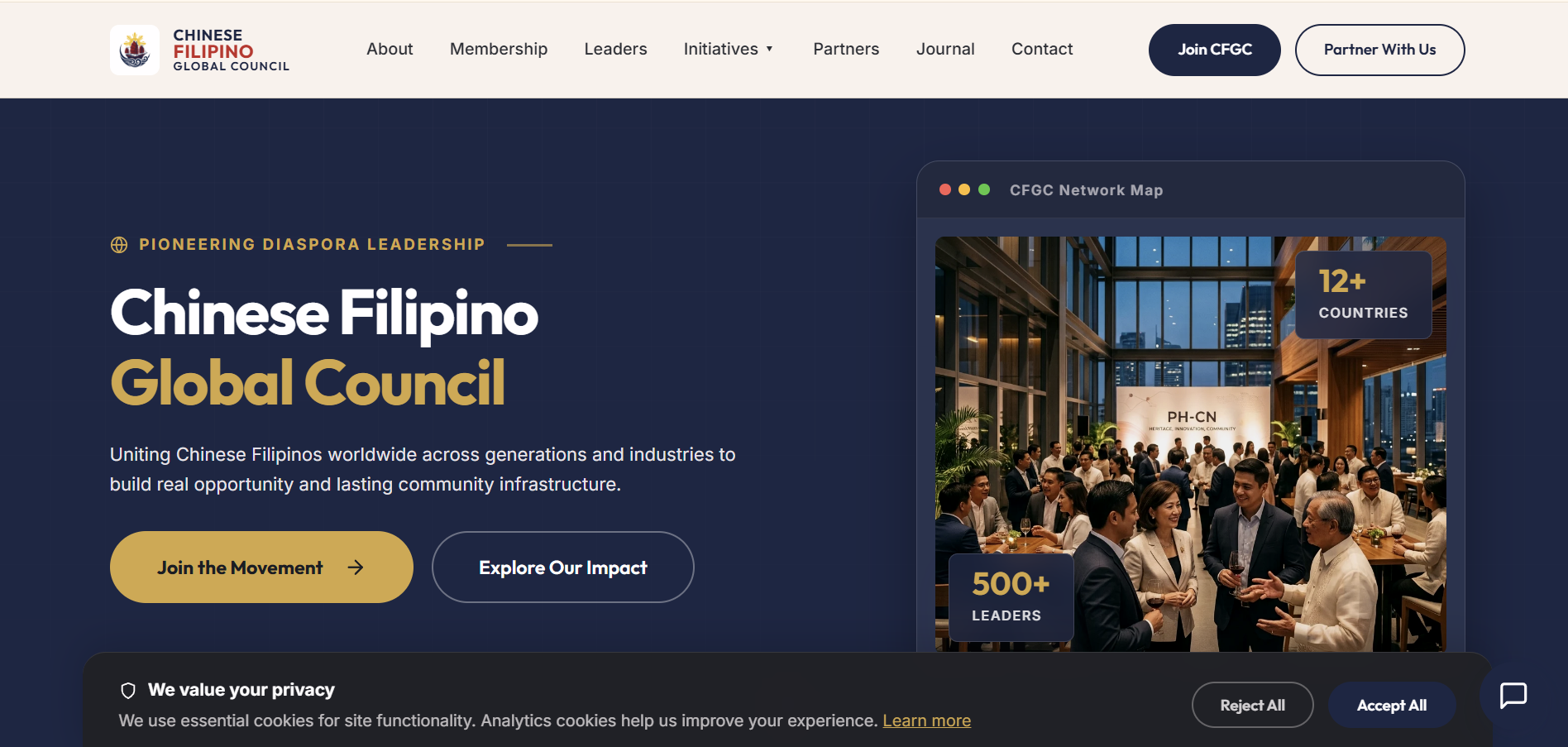
Building the Digital Home for a Global Chinese Filipino Institution
DTC developed the website strategy, information architecture, messaging, and content framework for the Chinese Filipino Global Council (CFGC) around its mission to unite Chinese Filipinos globally through culture, capital, and community. As an emerging organization, CFGC needed a digital presence capable of explaining not only who it was, but what it intended to build. The website was structured to communicate the Council’s vision, institutional positioning, cultural and community initiatives, membership opportunities, events, partnerships, and pathways for involvement.
The platform was also designed as an organizational growth tool. DTC built the website around clear pathways for individuals, community leaders, businesses, institutions, and prospective partners to understand CFGC’s work and engage with the organization. Membership tiers and benefits were incorporated into the digital experience, while the broader site architecture created space for cultural programming, storytelling, community initiatives, global chapters, events, and future projects.
Rather than creating a static organizational website, DTC helped establish a digital foundation for CFGC’s long-term expansion. The website brings together brand positioning, membership development, public communications, programming, and institutional storytelling in one platform - giving the Council an infrastructure it can continue building on as its network, chapters, partnerships, and global presence grow.
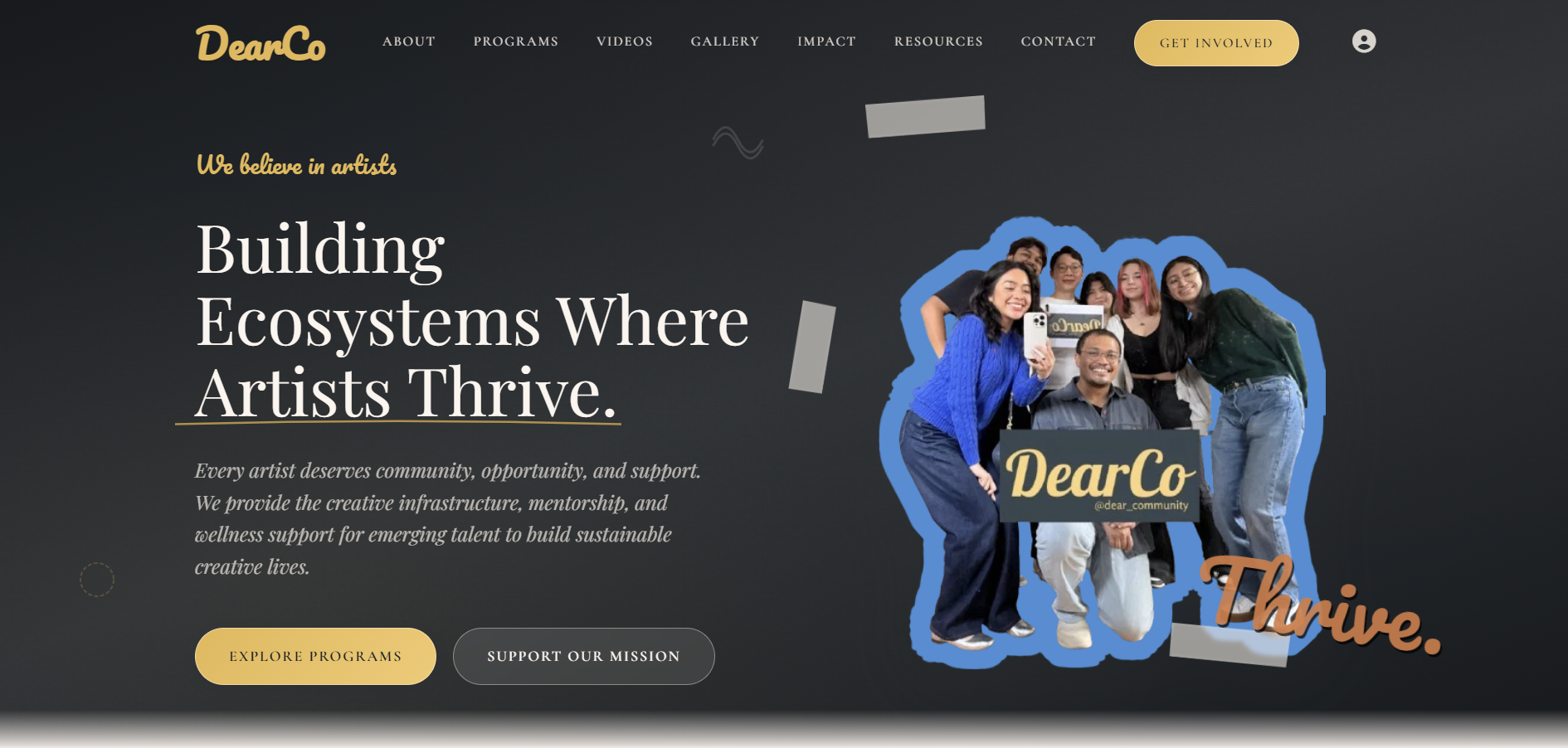
Building the Digital Home for an Artist First Creative Ecosystem
Dare to Change developed DearCo’s website as the digital foundation for an emerging nonprofit focused on helping artists build community, strengthen their craft, access opportunities, and grow within a more supportive creative ecosystem.
DTC worked with DearCo as the organization evolved from an event based creative collective into a more structured artist centered nonprofit serving emerging, amateur, immigrant, working class, and culturally underserved creatives. The website was developed to clearly communicate that broader identity, positioning DearCo not simply as an event producer, but as a community infrastructure organization helping artists find belonging, visibility, professional development, wellness support, relationships, and pathways to sustainable creative participation.
The website brings together DearCo’s mission, organizational identity, programs, and opportunities for engagement within one cohesive digital experience. DTC structured the platform around DearCo’s work across artist gatherings and performances, workshops and mentorship, professional development, networking, wellness programming, community care, cultural engagement, and creative opportunities, while creating clearer pathways for artists, partners, supporters, venues, and community members to become involved.
More broadly, the website became part of the larger organizational infrastructure DTC helped build for DearCo. By connecting brand development, mission and values, program architecture, organizational strategy, messaging, and website development, DTC helped create a public facing platform that reflects DearCo’s transition into a more formal institution and provides a foundation for future programming, fundraising, partnerships, artist engagement, and long term growth.
$20K Secured for Filipino Cultural and Arts Programs
Dare to Change supported the Foundation of Filipino Artists (FFA) in reentering the funding landscape after a period of limited organizational activity. DTC developed the funding strategy and grant application that resulted in a $20,000 award, representing FFA’s first successful grant following that period of inactivity.
The funding win provided more than immediate program support. It helped demonstrate that FFA could once again position its mission, community value, and program ideas competitively to funders. DTC worked with the organization to connect its Filipino arts and cultural mission with a clearly defined community need, creating a stronger case for investment and a foundation for future fundraising.
The award also created a pathway for FFA to resume community-facing work and begin rebuilding organizational momentum. By helping secure the grant, DTC supported the organization in moving from inactivity toward renewed programming, stronger funder readiness, and a more sustainable approach to future resource development.
Financial Frameworks and Forecasting for Legal Aid Nonprofit
Dare to Change worked with the South Asian Legal Defense Fund (SALDF) during its startup stage to build the financial infrastructure necessary to move from organizational vision to sustainable operations. As an emerging nonprofit, SALDF needed a clearer understanding of what it would actually cost to staff, operate, and grow the organization, not only in its first year, but as its programs and institutional needs expanded. DTC developed operational budgets and financial forecasts that connected staffing, programming, administrative expenses, professional services, and organizational infrastructure with anticipated revenue requirements. This gave SALDF leadership a stronger framework for evaluating growth decisions, understanding the financial implications of new programs or hires, and identifying the level of funding required to sustain planned activities over time. The engagement helped establish financial planning as a core part of SALDF’s organizational development. By mapping costs against projected growth and future revenue needs, DTC strengthened the organization’s readiness for fundraising, grant development, Board oversight, and institutional investment while providing leadership with a more realistic foundation for scaling beyond the startup phase.
Translated Budget Data Into a Citywide Public Advocacy Campaign
DTC’s role extended beyond policy analysis and direct government engagement to the communications infrastructure necessary to sustain a citywide advocacy campaign. New York City budget information can be highly technical, and funding allocations alone do not necessarily communicate why additional investment is needed or what those resources mean for communities. DTC helped translate complex funding information into language and visuals that could be understood and used by policymakers, nonprofit leaders, media, and community members.
The work included developing advocacy narratives, campaign messaging, talking points, public statements, press materials, briefing documents, graphic design, rally materials, and digital communications. DTC also connected funding gaps with the experiences of organizations providing direct services, helping demonstrate how public investment affects programs, staffing, organizational capacity, and the communities relying on those services.
This communications infrastructure allowed coalition organizations to advocate from a more consistent and coordinated narrative while still elevating individual community experiences. By connecting data, policy, storytelling, design, press, and grassroots communications, DTC helped turn technical budget advocacy into a broader public campaign capable of supporting government engagement, media outreach, coalition mobilization, and community education.
Building the Leadership Behind Sambran’s Growth
DTC supported the development of Sambran’s governance infrastructure by establishing frameworks around Board structure, leadership responsibilities, committee development, bylaws, governance policies, advisory structures, compliance, ethical standards, and organizational accountability. The objective was to ensure that growth in programs and partnerships would be matched by stronger internal oversight and decision making.
The engagement also helped clarify how responsibility should be distributed across the Board, organizational leadership, committees, and potential advisors. This created a more intentional structure for governing the organization, monitoring institutional priorities, maintaining accountability, and supporting future strategic decisions.
By developing governance infrastructure early in Sambran’s growth, DTC helped create a stronger foundation for fundraising, partnerships, program expansion, compliance, Board oversight, and long term institutional credibility. The result was not simply a set of governance documents, but a framework for ensuring that Sambran’s internal capacity could grow alongside its mission and ambitions.
$35K Secured Through NYC’s Competitive Procurement in 2 Years
One of the most significant outcomes of DTC’s engagement came in FY2025, when City Mission successfully secured a position within a competitive New York City procurement process and received an initial $5,000 public-funding award. While modest in dollar value, the award represented an important institutional milestone: City Mission had successfully entered a formal mechanism through which New York City could fund its programs and services.
That position strengthened in FY2026, when City Mission secured a $5,000 renewal of its original funding alongside an additional $25,000 award, bringing FY2026 public funding to $30,000 and cumulative funding across the two fiscal years to $35,000. The progression demonstrated City Mission’s ability not only to enter the public-funding system, but to maintain its position and attract additional investment.
DTC’s work helped connect government positioning, program development, procurement entry, funding requests, and institutional readiness into a longer-term public-sector growth strategy. The result was more than $35,000 in funding: City Mission established a continuing foothold within New York City’s procurement infrastructure, creating a stronger foundation for future government contracting, renewals, and expanded public investment.
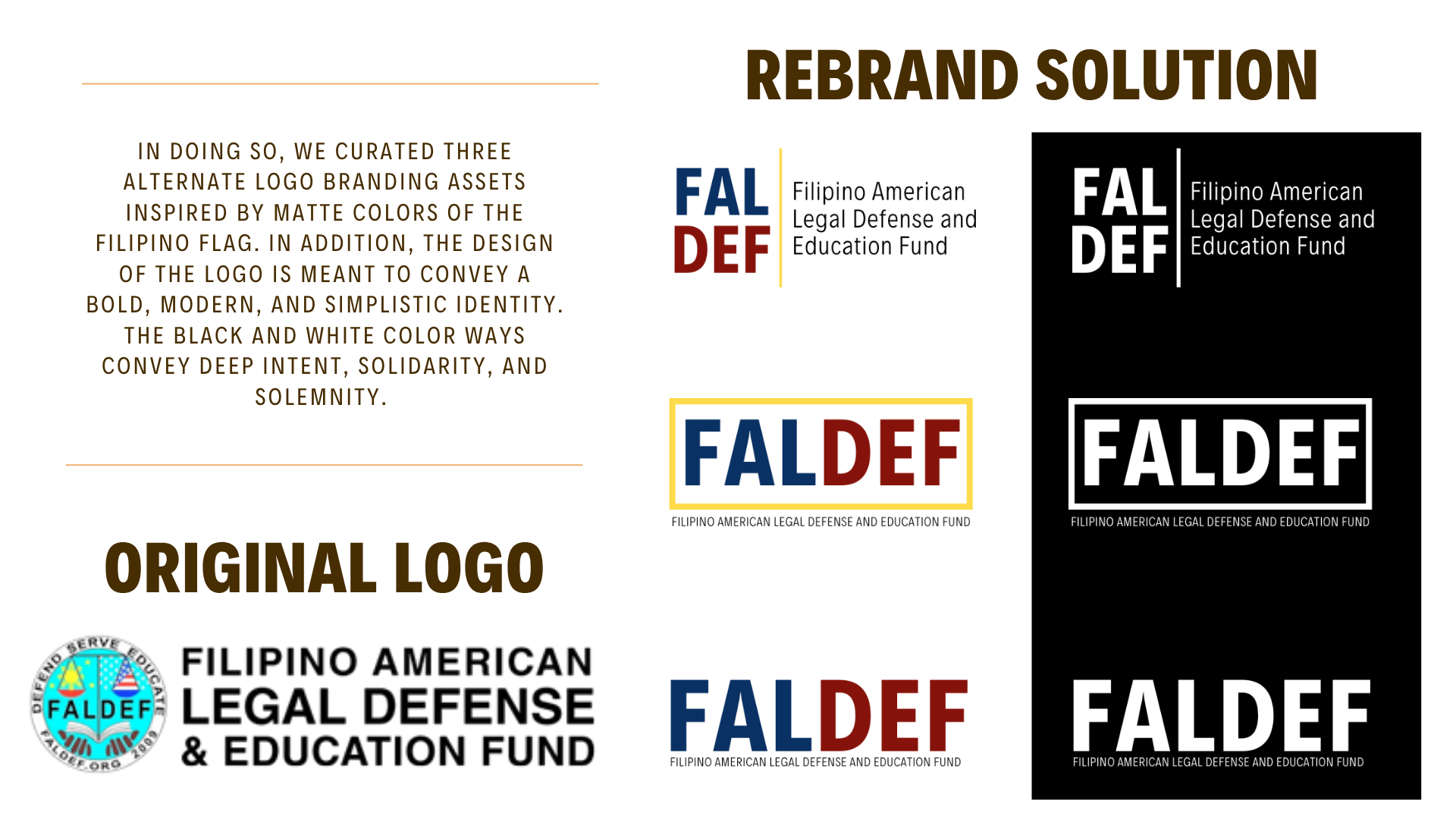
Rebranding for a New Era of Filipino Legal Services
As FALDEF began rebuilding its programming and institutional presence, DTC supported the organization in developing a refreshed visual identity that could accompany its next stage of growth. The original logo carried important organizational history, but the rebrand focused on creating a cleaner, more contemporary identity that could be used consistently across digital platforms, public-facing materials, programs, and organizational communications.
DTC developed multiple logo variations centered around a simplified FALDEF wordmark, drawing inspiration from the colors of the Philippine flag while introducing a more modern and adaptable visual system. Alternative full-color, monochrome, horizontal, and compact treatments were created to give the organization flexibility across different formats and backgrounds while maintaining a recognizable identity.
The rebrand became part of FALDEF’s broader organizational reactivation—helping ensure that as the organization renewed its programming, fundraising, and community engagement, its public identity evolved alongside it. The result was a more cohesive brand foundation designed to strengthen recognition, professionalism, and consistency as FALDEF expanded its presence and reintroduced its work to the community.
Designing Sambran’s Flagship Program Ecosystem
DTC worked with Sambran to move from broad organizational priorities into clearly defined program models serving autistic and developmentally disabled individuals, caregivers, AAPI families, immigrant communities, and other underserved populations. The program development process connected identified community needs with specific interventions, participant experiences, intended outcomes, implementation requirements, and future opportunities for scale.
This work resulted in a portfolio of flagship initiatives including the Caregiver Collective, focused on caregiver navigation, support, confidence, and resilience; Pathways for Life, centered on lifelong development, independence, community participation, and social connection; Culture of Care, focused on culturally responsive developmental health education, stigma reduction, and community awareness; and the Sambran Family Leadership Network, designed to elevate families as advocates, ambassadors, community leaders, and partners in organizational decision making.
Beyond naming programs, DTC developed the broader program architecture and service delivery framework behind them, including target populations, activities, participant journeys, outputs, outcomes, pilot considerations, implementation planning, and opportunities for measurement and expansion. The result was a program ecosystem that gave Sambran a stronger foundation for fundraising, partnerships, direct service delivery, evaluation, advocacy, and future growth in both the United States and the Philippines.
Defining Sambran’s Place in the Nonprofit Ecosystem
DTC conducted a comprehensive ecosystem and organizational positioning analysis to help Sambran understand the environment surrounding its work and determine where the organization could contribute most effectively. The process examined existing organizations and services, community gaps, potential areas of duplication, stakeholder relationships, collaboration opportunities, and the broader systems influencing the communities Sambran seeks to serve.
DTC also developed ecosystem, ally, stakeholder, and power mapping to help leadership understand which institutions, community organizations, funders, service providers, advocates, and other actors could influence or support Sambran’s development. This allowed the organization to think strategically about where partnerships could extend its impact and where Sambran could provide services or approaches not adequately addressed elsewhere.
The result was a clearer organizational position that could guide program development, partnerships, fundraising, communications, and expansion. Rather than attempting to serve every possible need, Sambran gained a framework for understanding where it could build a differentiated and sustainable role within its broader ecosystem.
Developed National Civic Engagement Action Plan
DTC developed the AAGLO Action Plan, moving the engagement from research and recommendations into organizational implementation. The plan established seven areas for action spanning civic leadership infrastructure, voter engagement, leadership pipelines, external partnerships, organizational compliance, national rollout, and digital communications.
The framework translated those priorities into practical organizational mechanisms, including designated civic-engagement leadership roles, member education and training, public-service pathways, partnerships with outside organizations, national coordination structures, digital communications, and a phased implementation timeline. It also addressed differences in organizational structure and nonprofit status so participating organizations could consider how civic programming fit within their own institutional requirements.
The result was a roadmap that answered a question the research report alone could not: what does implementation actually look like? By connecting research findings with organizational structures and execution strategies, DTC helped create a pathway for NAPA organizations to translate national data into programs, leadership development, and sustained institutional activity.
Strengthening Social Media and Video Production
As part of FALDEF’s broader organizational reactivation, DTC supported the development of a more consistent and professional digital presence. This included designing branded social media graphics for programs, workshops, legal education, community announcements, and organizational updates, helping FALDEF communicate its work in a clearer and more recognizable way across online platforms.
DTC also produced and edited video content and short-form reels designed for social media engagement. These assets helped translate FALDEF’s legal, educational, and community-service work into formats that were easier to understand, share, and engage with online. Together, the graphic and video work strengthened FALDEF’s ability to promote events, explain resources, document its impact, and maintain a more active connection with its audience.
The engagement helped ensure that FALDEF’s renewed programming was supported by a communications infrastructure capable of reaching people where they increasingly receive information. By combining consistent visual design with short-form video storytelling, DTC helped FALDEF build a stronger digital identity and more effectively communicate its mission, services, and community impact.
Building City Mission’s Pathway to Public-Sector Growth
Dare to Change advises City Mission, Inc. on government relations, organizational growth, and the institutional infrastructure required to expand its work alongside New York City and New York State. The engagement has focused on helping City Mission move beyond approaching government solely for individual funding opportunities and toward building the broader capacity, positioning, and relationships necessary to participate more sustainably in the public-sector nonprofit ecosystem.
DTC developed government briefing decks, program presentations, discretionary funding requests, and supporting communications that translated City Mission’s programs, populations served, community needs, growth priorities, and funding requirements into clear materials for public-sector stakeholders. These resources created a reusable government-relations infrastructure that City Mission could use across briefings, funding conversations, partnership development, and future expansion efforts.
The strategy connected program development, government engagement, funding requests, procurement readiness, and organizational capacity into a more coordinated pathway toward public investment. By strengthening both City Mission’s external positioning and the infrastructure behind its programs, DTC helped the organization build a stronger foundation for future government partnerships, public funding opportunities, and long-term institutional growth.
Building Sambran’s Mission, Vision & Strategic Foundation
DTC worked with Sambran to define the fundamental strategic questions behind the organization: why it exists, who it seeks to serve, what challenges it intends to address, and what long term change it hopes to create. This included developing the organization’s mission, vision, core values, strategic priorities, and theory of change so that future programs and investments could be evaluated against a consistent institutional framework.
DTC also developed a cultural narrative and storytelling spine connecting Sambran’s organizational identity with its community context, programs, and intended impact. This was particularly important for an organization focused on developmental health, caregiver support, inclusion, and culturally responsive services, where the way the mission is communicated can shape community trust, partnerships, fundraising, and public understanding.
The result was a unified strategic foundation that gives Sambran a consistent framework for leadership decisions, program development, partnerships, fundraising, communications, and organizational growth as the Foundation continues to expand its work.
Building a Digital Presence Around Filipino Arts, Culture & Community Wellness
As FFA reactivated its programming, DTC also supported the organization in building a more consistent digital presence around its work. This included the development of social media graphics, promotional materials, video content, and short-form reels highlighting programs, workshops, community activities, and the organization’s broader cultural mission.
DTC’s communications work helped translate FFA’s arts and wellness programming into content that could better reach audiences online. Rather than simply promoting individual events, the creative strategy helped communicate the connection between Filipino culture, older-adult wellness, social connection, and community participation, giving the organization a clearer narrative around its renewed work.
Through a combination of graphic design and video storytelling, DTC helped FFA strengthen brand visibility, promote participation, document program impact, and maintain a more active connection with its community as the organization rebuilt its public presence.
Designing Arts-Based Wellness Programming for Filipino Older Adults
DTC worked with FFA to design a culturally grounded program model that connects Filipino arts, identity, and creative expression with older-adult wellness. The initiative was structured around participatory workshops spanning dance and movement, culinary traditions, vocal arts and music, poetry and spoken expression, traditional and contemporary arts, and other culturally rooted creative activities.
The model recognizes that arts programming can create meaningful opportunities for social connection, creative expression, cultural memory, identity, and belonging—all important dimensions of healthy aging. By designing programming around active participation rather than passive cultural presentation, DTC helped FFA create experiences where older adults could engage with Filipino culture while building relationships and maintaining stronger connections to community.
The program framework also positioned FFA to connect its traditional arts and cultural mission with broader priorities around mental wellness, social isolation, healthy aging, and intergenerational cultural preservation, creating new opportunities for future programming, partnerships, and funding.
Creating a Brand That Reflects Sambran’s Mission & Community Value
Dare to Change developed Sambran Foundation’s brand identity, messaging, and storytelling framework by translating its organizational strategy, programs, and cultural purpose into a cohesive public identity built for community trust, institutional credibility, and long term growth.
DTC approached Sambran’s brand development as an extension of the organizational strategy already established through the engagement. Rather than beginning with a logo or visual identity, DTC first grounded the brand in Sambran’s mission, vision, values, theory of change, strategic priorities, programs, and intended impact. This ensured that the organization’s external identity reflected what Sambran was actually building and the communities it sought to serve.
DTC developed Sambran’s brand positioning, voice, organizational messaging, cultural narrative, storytelling framework, visual identity direction, logo guidance, and program messaging. The work created a consistent way for Sambran to explain why it exists, the challenges it seeks to address, how its programs respond to those challenges, and what makes its approach distinct within the developmental health and community services ecosystem.
The process intentionally moved from organizational identity to programs, narrative, messaging, and ultimately brand, ensuring that communications were rooted in strategy rather than aesthetics alone. The result was a cohesive public identity that strengthens how Sambran presents itself to families, community members, funders, institutional partners, Board members, and other stakeholders, while providing a consistent foundation for its website, programs, fundraising, partnerships, and future communications.
Administering $35K State Contract for General Operations
DTC administers NaFFAA’s portfolio of public grants, providing support that extends well beyond securing an award. The engagement includes grant administration, program planning, budget and resource coordination, compliance, documentation, deliverable tracking, reporting coordination, and implementation support. This creates an end to end funding infrastructure that connects funding opportunities, government strategy, awards, administration, compliance, program execution, reporting, and community impact.
DTC also works directly with NaFFAA leadership to translate public funding into executable programs. Through program strategy and planning, DTC helps establish clear objectives, implementation structures, timelines, resource requirements, and intended community outcomes. At the institutional level, DTC supports strategic planning around organizational growth, program development, resource deployment, and the internal infrastructure required to responsibly manage larger amounts of government funding.
The engagement is further strengthened by DTC’s government relations and public funding strategy, helping NaFFAA build relationships with government stakeholders, communicate community investment priorities, identify programmatic and capital opportunities, and strengthen its long term positioning within the public sector. By connecting government relations with grant management and organizational development, DTC helps ensure that growth in public investment is matched by stronger internal capacity, responsible administration, and sustainable institutional development.
National Civic Research Across 18 Asian Fraternities and Sororities
DTC developed Beyond the Ballot: Mobilizing NAPA for AAPI Civic Power and Justice, a 35-page national research report based on survey responses collected from 245 individuals across 18 NAPA member organizations between September and November 2024. The research examined voter registration and participation, civic engagement, media consumption, organizational involvement, policy priorities, and barriers affecting deeper participation. NAPA publicly described the project as a partnership with DTC to analyze its voter engagement survey and develop strategies for its APIDA membership.
DTC moved beyond reporting topline survey results by analyzing the relationship between individual civic behavior and the organizational environments surrounding members. The report examined where engagement was already occurring, where gaps existed, and how fraternities and sororities could strengthen civic education, leadership development, and opportunities for continued participation.
The result was a research foundation that NAPA could use for more than a single voter-engagement initiative. DTC helped turn member data into an institutional resource for understanding NAPA’s network, informing future programming, developing organizational strategies, and creating the foundation for the policy and implementation work that followed.
Building the Infrastructure to Scale With Public Funding
DTC’s engagement with City Mission extends beyond securing funding. As the organization builds deeper relationships with New York City and New York State, DTC advises leadership on how to scale the institution behind the programs—ensuring that staffing, financial resources, internal systems, and organizational capacity grow alongside new public-sector opportunities.
This includes advising on people allocation, resource allocation, operational infrastructure, and long-term growth strategy. DTC helps City Mission assess how staff, leadership, consultants, and financial resources should be deployed across programs, administration, compliance, development, and expansion so that growth is supported by the right internal structure.
This work is especially important as City Mission moves further into government-funded programming, which brings increased expectations around program delivery, financial management, reporting, compliance, staffing, and organizational oversight. By strengthening the infrastructure behind the funding, DTC helps City Mission convert new resources and government relationships into sustainable institutional growth rather than short-term program expansion.
Building the Fundraising, Government Relations & Public Funding Strategy for Taoist Communities
Dare to Change worked with the United Taoist Association of the Americas (UTAA) to develop an integrated roadmap for fundraising, government relations, program development, and future access to public and institutional funding. Rather than approaching fundraising as a series of individual opportunities, DTC helped UTAA establish a more structured strategy for building relationships, identifying funding pathways, and positioning the organization for sustainable resource development. As part of the engagement, DTC developed both a fundraising strategy and government relations framework, giving UTAA a roadmap for engaging elected officials, government agencies, institutional funders, and other community stakeholders. The strategy connected the organization’s mission and programming with broader community needs and potential funding priorities, while strengthening UTAA’s ability to build relationships before specific funding opportunities emerge. DTC also created a Program and Funding Matrix that mapped potential new programs against government and philanthropic funding streams. This allowed UTAA to assess opportunities based on mission alignment, community impact, fundability, implementation capacity, and long-term sustainability. Together, these tools created an organizational framework for moving from opportunity-based fundraising toward a more deliberate funding pipeline and stronger readiness for future public investment.
Supporting Board and Governance Pivots
DTC worked with APNA to assess the role of the Board beyond basic compliance and governance requirements. The strategy examined Board composition, leadership needs, desired member profiles, governance responsibilities, strategic expertise, fundraising capacity, organizational oversight, community representation, and future recruitment priorities. This helped APNA identify the types of experience, networks, and perspectives needed around the table as the organization’s programs, public funding, partnerships, and institutional responsibilities continue to expand.
DTC also helped define a clearer Board recruitment and development framework, including the characteristics and expertise APNA should prioritize in prospective members and how Board roles should connect to broader organizational goals. The work positioned recruitment as a strategic process tied to the organization’s future needs in areas such as fundraising, finance, government, nonprofit management, community engagement, legal expertise, partnerships, and organizational growth.
The result was a stronger governance framework that treats the Board as an active part of APNA’s institutional infrastructure. By connecting governance, leadership, accountability, fundraising, community voice, and strategic growth, DTC helped APNA build a Board model designed to support stronger oversight while also contributing to the organization’s long term capacity and sustainability.
Lead APNA’s Public Relations, Press & Rapid Response Communications Capacity
DTC develops and supports press releases, public statements, media messaging, partnership announcements, program announcements, organizational milestones, newsletters, leadership communications, and story development. The work helps APNA build a stronger external narrative around its programs, growth, partnerships, public funding, community impact, and role as a trusted service provider across the communities it serves.
DTC also drafts government testimony, advocacy statements, briefing language, and other public facing materials that allow APNA to communicate its perspective on community needs, policy issues, and institutional priorities. These materials help translate APNA’s frontline experience into clear communications for elected officials, government agencies, press, partners, and the broader public.
Rapid response is another important part of the engagement. When emergencies, policy developments, community events, organizational changes, or other time sensitive situations require immediate communication, DTC helps move quickly from issue identification to organizational response, messaging, design or digital content, and public distribution. This gives APNA communications capacity that can respond to changing conditions in real time rather than relying only on preplanned campaigns.
Building APNA’s Digital Communications, Design & Video Infrastructure
DTC manages APNA’s social media strategy, content planning, copywriting, program promotion, community announcements, campaign communications, partnership messaging, calls to action, and rapid response content. Because APNA operates across multiple service areas and communities, the communications strategy focuses on making information timely, understandable, and useful while maintaining a consistent organizational voice across programs and initiatives.
DTC also provides ongoing graphic design and visual communications for APNA’s programs, events, food distributions, civic engagement initiatives, fundraising efforts, public announcements, partnerships, advocacy materials, and organizational campaigns. For APNA, design functions as part of the organization’s community access infrastructure, helping residents quickly understand what services are available, when programs are happening, who is eligible, and how to participate.
Video production is another major component of the engagement. DTC develops and produces videography, Reels, short form videos, program recaps, event coverage, interviews, and impact storytelling, supporting the full process from concept and messaging through filming, editing, and distribution. Together, these communications systems help APNA promote services, document impact, strengthen partnerships, support fundraising, and build a visible record of the organization’s work across the communities it serves.
Managing a 10 Partner Civic Engagement Coalition That Generated Over 2,500 Neighborhood Votes
As a TRIE Neighborhood Administrator serving Brighton Beach and Coney Island, APNA was responsible for building local partnerships and expanding participation in the Civic Engagement Commission’s The People’s Money participatory budgeting process. The City’s TRIE model specifically relies on neighborhood administrators to build and manage coalitions, conduct community engagement, and increase access to participatory democracy. DTC helped translate those responsibilities into a coordinated multi organization operation involving 10 community partners.
DTC supported the management infrastructure behind the coalition, including partner coordination, strategic meetings, outreach planning, deliverable management, implementation tracking, troubleshooting, communications, and alignment across participating organizations. Rather than having each partner operate independently, DTC helped maintain a shared implementation structure that allowed organizations to coordinate outreach while using their own trusted relationships and community networks to reach residents.
The initiative generated approximately 2,500 neighborhood votes, demonstrating the value of combining grassroots community relationships with strong program management. DTC’s role extended beyond designing a civic engagement strategy to managing the organizational capacity required to execute it across multiple partners. The model connected coalition management, partner accountability, coordinated outreach, community engagement, and program execution, creating an infrastructure capable of delivering civic participation at neighborhood scale.
Managing a $500K+ New York State Assembly Campaign From Strategy to Election Day
DTC operated as the campaign’s central management infrastructure, responsible for translating the campaign’s strategy into an executable operation. This included budget development and execution, fundraising coordination, staff management, volunteer management, office administration, vendor and resource coordination, scheduling, internal workflows, and overall campaign execution. With more than 30 paid staff and 100 volunteers, DTC helped create the management systems necessary to coordinate a large team across multiple campaign functions while maintaining alignment with leadership priorities.
DTC also managed major voter facing components of the campaign. This included developing and executing field programs, volunteer mobilization, social media, campaign communications, graphic and digital content, press relations, public relations, and the endorsement process. Field operations were coordinated with communications and campaign priorities so that canvassing, voter contact, events, digital content, earned media, and organizational outreach operated as parts of the same campaign strategy rather than independent workstreams.
The engagement demonstrated DTC’s ability to operate beyond a traditional consulting role and assume responsibility for the management of an entire campaign organization. By connecting fundraising, budgeting, personnel, volunteers, field, communications, press, endorsements, and office operations under one management structure, DTC helped build and operate the infrastructure required to execute a large scale New York State legislative campaign from strategy through implementation.
$100K Secured from The Asian American Foundation for Research, Curriculum & Policy Development
DTC supported CEP in developing and positioning funding requests that connected the organization’s community based work with a broader need for stronger cultural education, research, and policy infrastructure. Across two years, the funding supported projects designed to document Caribbean histories, strengthen public understanding of Caribbean communities, and generate evidence around the mental health experiences and needs of immigrants.
A portion of the investment supported the development of a Caribbean history curriculum, creating an educational resource that can help preserve cultural knowledge, strengthen representation, and make Caribbean histories more accessible to students, community members, educators, and partner institutions. The funding also supported development of an immigrant mental health policy report, giving CEP a stronger research base for identifying barriers, documenting community experiences, and developing recommendations around access, culturally responsive care, and institutional response.
Beyond the cumulative $100,000 award, the investment strengthened CEP’s ability to move from service delivery into research, education, and policy development. DTC helped connect grant strategy with curriculum development, community research, data, and policy analysis, creating tools that can support future programming, advocacy, government engagement, partnerships, and long term institutional growth.
$40K Secured from the Black Migrant Fund
DTC supported CEP in developing and positioning the funding request around the organization’s work at the intersection of race, migration, LGBTQ+ identity, community care, and access to supportive services. The strategy connected CEP’s frontline experience with Black immigrant communities to a broader case for investment in services that reflect the realities of people navigating multiple and overlapping systems.
The $40,000 award expanded the resources available for CEP’s community facing work while supporting the organization’s ability to sustain and strengthen culturally grounded programming. The funding also reinforced CEP’s role as an institution serving Black migrants whose needs may not be fully addressed within traditional immigrant services or LGBTQ+ service systems alone.
Beyond the award itself, the Black Migrant Fund investment strengthened CEP’s diversified funding portfolio and created another pathway for long term support. DTC helped connect community need, grant strategy, program positioning, and institutional growth, ensuring the funding contributed not only to immediate programming but to CEP’s broader capacity to deepen its work with Black immigrant and migrant communities.
$100K Secured Through the Black Legislative Task Force
DTC supported CEP in developing and advancing the funding request by connecting the organization’s frontline community work with a broader case for public investment. The request emphasized the need for culturally responsive services that reflect the experiences of Caribbean LGBTQ+ immigrants and community members who often navigate overlapping barriers related to race, immigration, culture, gender identity, sexual orientation, and access to supportive services.
The $100,000 award provided CEP with significant new resources to strengthen programming and direct services while expanding the organization’s capacity to serve Afro Caribbean and Indo Caribbean communities. The funding also reinforced CEP’s position as an institution able to translate community needs into clearly defined service priorities that government stakeholders can understand and invest in.
Beyond the award itself, the funding represents an important step in CEP’s broader public sector growth. DTC helped connect community need, program strategy, government relations, and funding advocacy, helping CEP build a stronger foundation for sustained government investment and continued expansion of culturally grounded services.
$15K Secured for Afro and Indo Caribbean Civic Engagement Infrastructure
DTC supported CEP in positioning its work within the broader immigrant serving ecosystem and translating its community relationships into a competitive funding request. The grant strengthened CEP’s ability to reach immigrant and LGBTQ+ communities through outreach, education, engagement activities, and community based programming designed around the realities of the populations it serves.
The award also reinforced CEP’s role as both an LGBTQ+ organization and an immigrant serving institution, helping connect its community work with broader efforts to strengthen participation, access, and representation among immigrant New Yorkers. The funding provided additional capacity to engage community members who may face cultural, linguistic, institutional, or immigration related barriers to accessing information and civic resources.
Beyond the $15,000 award itself, the REMAP grant expanded CEP’s relationship with New York’s immigrant advocacy and service infrastructure. DTC helped connect grant development, immigrant engagement, community outreach, and organizational positioning, creating another pathway for CEP to grow its reach while strengthening its participation in citywide immigrant focused initiatives.
$1.05M+ Secured for CEP Since 2025 for Operations
DTC developed a diversified grant strategy for CEP that connects funding opportunities with the organization’s broader programmatic and institutional priorities. Rather than approaching each application as an isolated opportunity, DTC aligns grant development with CEP’s direct services, research agenda, community programming, advocacy priorities, organizational capacity, and long term growth.
The resulting portfolio spans government, foundation, philanthropic, immigrant serving, LGBTQ+ serving, and community based funding sources. Major awards have supported victim services, research and data, culturally responsive services, Black immigrant communities, nightlife programming, community engagement, and organizational sustainability.
Together, these awards have expanded both CEP’s ability to serve communities and the institutional capacity behind that work. DTC’s funding strategy helps connect grant development, program design, research, service delivery, compliance, and organizational growth, ensuring that increased funding is accompanied by the infrastructure required to responsibly manage and sustain it.
$735,000 Secured for Victim Services
DTC helped CEP secure approximately $735,000 in VOCA funding to strengthen victim services and expand the organization’s capacity to support individuals impacted by violence and victimization. The investment significantly expands the resources available for victim assistance, including advocacy, referrals, emotional support, accompaniment, and other community based services. The award also requires stronger programmatic, administrative, compliance, and reporting infrastructure, making it an important milestone in CEP’s institutional growth. Beyond the size of the award, the funding strengthens CEP’s ability to build a more structured and sustainable victim services program while developing the internal capacity necessary to administer larger government funded initiatives.
$100,000 Secured for Community Research & Data
DTC helped CEP secure $50,000 from The Asian American Foundation in FY2025 and an additional $50,000 in FY2026, resulting in $100,000 in cumulative funding supporting research and data initiatives. The investment strengthens CEP’s ability to conduct community based research, document community experiences, improve data collection, and develop a stronger evidence base around the populations it serves. This research capacity supports multiple areas of CEP’s work by connecting community experience with documented evidence, creating stronger foundations for program development, policy recommendations, government advocacy, funding requests, community education, and institutional partnerships.
$100,000 Secured for Afro & Indo Caribbean Services
DTC helped CEP secure $100,000 in New York State funding to support services for Afro Caribbean and Indo Caribbean communities. The award strengthened CEP’s ability to expand culturally responsive programming and services while reinforcing the organization’s position as an institution addressing the needs of communities that often sit at the intersection of multiple cultural, immigrant, racial, and LGBTQ+ identities. The investment also demonstrates how DTC connects CEP’s community expertise with government funding priorities, translating frontline service needs into a compelling case for public investment.
$40,000 Secured from the Black Migrant Fund
DTC helped CEP secure $40,000 from the Black Migrant Fund, strengthening resources available for programming and services addressing the experiences of Black immigrant and migrant communities. The funding aligns with CEP’s broader work at the intersections of migration, race, LGBTQ+ identity, community support, and culturally responsive services, providing additional resources for work grounded in the experiences of Black immigrant communities. The award also contributes to a more diversified funding portfolio by bringing community focused philanthropic investment alongside CEP’s growing public funding base.
$25,000 Secured from the Con Edison Foundation
DTC helped CEP secure $25,000 from the Con Edison Foundation, adding philanthropic investment to the organization’s growing and increasingly diversified funding portfolio. The award strengthened CEP’s ability to sustain community programming and expand the resources available to support its organizational and programmatic priorities. By combining foundation support with government and community based funding, DTC has helped CEP build a broader resource base capable of supporting different dimensions of its work.
$20,000 Secured for NYC Nightlife Programming
DTC helped CEP secure $20,000 through a New York City nightlife grant supporting nightlife corridors and related community programming. The funding created an opportunity to connect CEP’s community work with nightlife, culture, safety, economic activity, and public space, recognizing the important role nightlife environments can play in community connection, cultural expression, and LGBTQ+ visibility. The award also expanded CEP’s funding portfolio into a different area of public investment, demonstrating how the organization’s community mission can intersect with broader City priorities around nightlife and neighborhood engagement.
$15,000 Secured from Destination Tomorrow
DTC helped CEP secure $15,000 from Destination Tomorrow, providing additional resources to strengthen CEP’s community facing work and organizational capacity. The award contributed to a broader funding strategy centered on identifying partners and funders whose priorities align with CEP’s work across LGBTQ+ services, immigrant communities, cultural identity, and community development. This funding further strengthened CEP’s ability to sustain programming while expanding relationships within the broader LGBTQ+ service and advocacy ecosystem.
$15,000 Secured Through the NYIC REMAP Grant
DTC helped CEP secure $15,000 through the New York Immigration Coalition’s REMAP Grant, strengthening resources for immigrant community engagement and outreach. The funding further connected CEP’s work with New York’s broader immigrant serving infrastructure and created additional capacity for programming that reaches immigrant communities through culturally responsive and community based engagement. The award also strengthened the connection between CEP’s LGBTQ+ programming and its broader role as an immigrant serving organization.
$9,000 Secured from the Foley Hoag Foundation
DTC helped CEP secure $9,000 from the Foley Hoag Foundation, adding another philanthropic funding source to its growing institutional portfolio.
While smaller than several of CEP’s public awards, funding at this level remains important for strengthening program flexibility, addressing resource gaps, and diversifying the organization’s revenue base. Collectively, these smaller foundation and community based awards complement CEP’s larger government investments and help create a more balanced and resilient funding portfolio.
Over $3.6M Secured To Build The First Caribbean LGBTQ+ Community Center
DTC worked with CEP to develop and execute a capital funding strategy that positioned the organization’s vision for a permanent community center as a public investment priority. The work connected CEP’s history of serving Caribbean LGBTQ+ immigrants and community members with a larger case for why permanent space was necessary to strengthen service delivery, community stability, cultural belonging, and long term organizational growth.
The capital strategy included government relations, funding requests, government briefings, strategic positioning, application development, community impact framing, and coordination around public sector funding opportunities. DTC helped CEP communicate not simply that it needed a building, but why investment in permanent community infrastructure would strengthen the organization’s ability to provide services, convene communities, expand programming, and establish a lasting institutional home.
Between 2025 and 2026, this strategy helped CEP secure more than $3.6 million in capital commitments toward the project. The result represents more than a funding milestone. It moves CEP closer to converting a decade of community based work into permanent infrastructure that can support the organization and the communities it serves for generations.
Building CEP’s Government Relations & Policy Infrastructure
DTC advises CEP on engagement with elected officials, government agencies, legislative offices, and other public sector stakeholders, helping the organization move beyond approaching government only when an immediate funding opportunity arises. The strategy focuses on building longer term relationships around CEP’s programs, community needs, policy priorities, capital goals, and broader institutional vision.
DTC also helps translate the experiences of Caribbean LGBTQ+ immigrants and other communities served by CEP into structured policy frameworks. This means identifying where community challenges reflect broader structural barriers, developing evidence based policy priorities, preparing government briefing materials, and helping leadership communicate specific areas where government or institutional intervention may be necessary.
By connecting community experience, policy analysis, government engagement, and institutional positioning, DTC helps strengthen CEP’s ability to participate in public decision making as both a service provider and a policy stakeholder. The goal is not simply greater access to government, but a stronger institutional voice capable of influencing how public resources and policy respond to the communities CEP represents.
Developing Advocacy and Policy Frameworks
DTC helps organize and execute CEP’s annual advocacy and lobby days, developing the strategic infrastructure behind the meetings themselves. This includes advocacy strategy, policy materials, government briefing documents, meeting preparation, talking points, campaign messaging, stakeholder coordination, and follow up planning. DTC also participates in government meetings alongside CEP to provide strategic and policy support.
The engagement ensures that lobby days are not treated as isolated visits with elected officials. Each advocacy effort is connected to broader organizational priorities and supported by research, community experience, policy analysis, defined requests, and communications materials. DTC also develops campaign decks and advocacy assets that allow CEP to present complex programmatic, policy, funding, and community priorities in a clear and compelling format.
This creates a more durable advocacy infrastructure in which government meetings contribute to longer term policy development, public funding strategy, coalition engagement, institutional relationships, and organizational growth. Rather than simply raising awareness, CEP enters government conversations with evidence, defined priorities, and a strategy for what should happen after the meeting.
10 Year Social Impact Report
DTC developed CEP’s 10 Year Social Impact Report, translating a decade of programs, services, advocacy, organizing, policy engagement, and organizational growth into a structured account of what the organization has accomplished. Rather than simply cataloging activities, the report helped establish a clearer record of CEP’s community reach, programmatic impact, policy contributions, institutional development, and broader social value.
DTC also developed annual impact briefs to complement the longer term report, giving CEP a more timely mechanism for communicating current programming, outcomes, priorities, and organizational growth to funders, government officials, partners, donors, and community stakeholders. Together, these materials created a more consistent impact reporting infrastructure connecting historical accomplishments with current results.
The strategy has expanded into research and data development as well. DTC has helped CEP secure resources for community research so the organization can strengthen the evidence behind future programs, policy recommendations, advocacy, and funding requests. This allows CEP to pair lived community experience with stronger documentation and data, increasing its capacity to demonstrate both the need for investment and the results of its work.
Supplying Management Capacity to Operate & Grow the Organization
DTC’s role with Ascend Beyond extends beyond strategy and organizational design. After helping build the nonprofit’s structure, programs, brand, and operating framework, DTC continued providing embedded management capacity through an Executive Administrator who supports the organization’s ongoing administrative and operational needs. This gives Ascend Beyond additional institutional capacity during a stage when the organization is still developing its own internal staffing and management infrastructure.
The Executive Administrator helps manage the connection between leadership, programs, administration, partnerships, communications, and execution. This includes coordinating organizational priorities, maintaining internal workflows, supporting program implementation, tracking follow through on leadership decisions, managing administrative responsibilities, helping coordinate external partners, and ensuring that important operational tasks continue moving forward. The role also provides continuity across projects and initiatives so that organizational progress does not depend solely on individual leaders managing every function themselves.
This model helps Ascend Beyond build capacity while it grows. Rather than forcing an emerging nonprofit to immediately develop a full internal management structure, DTC provides the operational support necessary to stabilize day to day functions while leadership focuses on strategy, partnerships, fundraising, and expansion. The result is a more sustainable management model in which organizational growth is matched by the administrative and operational capacity needed to support it.
Designing a Brand Around Leadership, Empowerment & Growth
DTC developed Ascend Beyond’s primary logo, secondary logo treatments, standalone icon, typography system, and brand kit as part of the organization’s broader institutional development. The visual identity centers on an abstract mark combining a human figure with ascending geometric forms, reinforcing the organization’s focus on personal development, leadership, community, and helping individuals move beyond existing limitations. Multiple logo variations were created so the identity could remain consistent across organizational materials, programs, social media, events, presentations, merchandise, and other applications.
The brand system uses Montserrat, Inter, and complementary sans serif typography to create a clean, contemporary, and accessible visual language. DTC also developed a broader color system in which individual colors reinforce different dimensions of Ascend Beyond’s mission. Leadership Blue represents confidence, trust, and resilience. Empowerment Gold reflects success, achievement, and empowerment. Innovation Purple communicates creativity, imagination, and bold ideas. Additional colors support themes of community, professionalism, wellness, and optimism, giving Ascend Beyond flexibility to visually differentiate programs while maintaining one cohesive identity.
Rather than developing a logo in isolation, DTC created a brand infrastructure that could grow alongside the organization. The visual system gives Ascend Beyond a consistent foundation for communicating programs across youth leadership, wellness, entrepreneurship, sports, education, and community development while ensuring that each initiative still feels connected to the same institutional identity.
Building a Multi Program Model for AAPI Youth Leadership & Development
DTC helped develop Ascend Beyond’s core program architecture around several interconnected areas of youth and community development. Mental Health & Well Being programming was structured around culturally responsive wellness education, stigma reduction, peer connection, identity, and access to supportive resources. Women’s Leadership programming incorporated mentorship, confidence building, communication, career readiness, leadership circles, and opportunities for young women to strengthen their personal and professional leadership skills.
DTC also developed programming around Entrepreneurship & Innovation, including financial literacy, business and startup education, mentorship, professional development, and pathways for participants to turn ideas into viable projects or ventures. Sports Leadership & Development was structured around physical wellness, teamwork, discipline, confidence, community connection, and leadership through activities such as pickleball, basketball, volleyball, clinics, tournaments, and other accessible sports programming. Ascend Beyond’s Civic Leadership & Advocacy work was designed to introduce young people to civic education, public speaking, community organizing, service, policy, and opportunities to take leadership roles within their communities.
The program model also expanded into practical learning areas including financial literacy, digital literacy, AI literacy, language development, workforce readiness, and educational and professional workshops. Across these areas, DTC helped build a model that connects participants with skills, mentors, networks, resources, and opportunities to lead. Rather than creating isolated workshops, the broader architecture was designed to support a progression from participation and skill building toward confidence, leadership, community responsibility, and longer term opportunity.
Building Ascend Beyond From Concept Into an Operating Nonprofit
DTC worked with Ascend Beyond during its formative stage to establish the institutional foundation required for long term operations. This included developing organizational priorities, leadership and administrative functions, internal roles and responsibilities, operational workflows, program infrastructure, and broader considerations around growth and capacity.
DTC also helped define Ascend Beyond’s strategic direction around empowering AAPI youth and communities through leadership development, mental health and wellness, entrepreneurship, civic engagement, sports, education, and community building. Rather than developing these areas independently, DTC created a framework connecting the organization’s mission with its programs, resources, operations, partnerships, and intended impact.
The result was an institutional model that leadership could use to guide future decisions around programming, staffing, partnerships, fundraising, and expansion. DTC’s work helped ensure that Ascend Beyond was built around functional systems and a clear strategic identity rather than simply establishing a nonprofit entity without the infrastructure necessary to operate it.
Managed Strategic Communications for Michigan Congressional Campaign
DTC worked across the campaign’s communications infrastructure to translate the candidate’s story, policy positions, campaign priorities, events, and developments into consistent public facing messaging. This included candidate positioning, campaign messaging, issue communications, social media management, content planning, campaign announcements, calls to action, graphic design, and digital communications. Rather than treating each platform as a separate channel, DTC helped connect the campaign’s broader strategy with how the candidate communicated across social media, visual assets, public statements, and press engagement.
Video and short form content were a significant component of the engagement. DTC supported video concept development, reel strategy, scriptwriting, candidate filming, production planning, video editing, short form social content, and digital storytelling, creating a process that moved from campaign priority to message, script, candidate delivery, production, editing, and distribution. This allowed the campaign to translate complex issues and campaign developments into content designed for contemporary digital audiences while maintaining consistency with the broader campaign narrative.
DTC also supported public relations, press relations, media messaging, campaign announcements, and overall strategic advising, helping align earned media and public communications with the campaign’s digital presence. By connecting strategy, messaging, social media, graphic design, video production, reels, press, and public relations, DTC operated as both an advisor and execution partner, helping build an integrated communications infrastructure capable of responding to the day to day demands of a congressional campaign.
Management Advisory To Absorb and Scale Public Contracts
DTC’s work recognized that successfully advocating for more public funding is only one part of strengthening the AAPI nonprofit ecosystem. As organizations receive larger government investments, they also face greater responsibilities around program delivery, staffing, operations, financial management, compliance, communications, reporting, and organizational oversight. Without corresponding institutional growth, increased funding can create new operational pressures rather than sustainable expansion.
DTC therefore advised organizations on the capacity required to grow alongside public investment. This included strengthening program models and service delivery infrastructure, evaluating internal operations and systems, improving how organizations communicate their impact and funding needs, and helping leadership think strategically about how additional resources could support sustainable organizational development rather than temporary program expansion.
The engagement connected both sides of public investment. DTC helped support advocacy for increased resources while also helping organizations become better positioned to pursue, manage, deploy, and demonstrate the impact of those resources. This created a broader capacity building strategy in which increased government investment could contribute not only to additional programming, but to stronger institutions capable of sustaining and expanding their work over time.
Managed 100+ AAPI Nonprofit Coalition
Working alongside CACF, DTC helped support and coordinate a coalition of more than 100 AAPI organizations across New York City. The engagement required bringing together organizations with different populations, programs, geographic service areas, and institutional capacities around a shared advocacy agenda focused on strengthening resources for AAPI communities.
DTC helped execute two annual citywide Advocacy Weeks, government and stakeholder briefings, meetings with New York City Council offices and policymakers, rallies, public actions, press engagement, and broader organizational mobilization. Behind those activities was a significant amount of coalition infrastructure, including advocacy planning, development of shared priorities, budget and funding analysis, talking points, briefing materials, organizational coordination, and preparation for government meetings.
The work helped transform individual organizational priorities into a more coordinated citywide voice. By connecting budget analysis, coalition alignment, government engagement, grassroots participation, and public mobilization, DTC helped strengthen the coalition’s ability to engage government collectively and demonstrate the scale, reach, and shared needs of AAPI serving organizations across New York City.
Producing Video, Reels & Visual Stories That Show Filipino Impact
DTC supports NaFFAA across the full content production process, from planning and filming to editing and distribution. This includes on site videography, event and program coverage, interview based storytelling, short form reels, recap videos, social media video content, and other visual assets that document NaFFAA’s work in a way that is engaging, accessible, and built for digital audiences.
The production work is designed to do more than simply record events. DTC helps shape footage into clear narratives that explain what happened, who was served, why the work matters, and how public funding and partnerships translate into community impact. By creating both longer form video assets and shorter reels for social platforms, DTC gives NaFFAA content that can support public relations, fundraising, stakeholder engagement, government communications, and ongoing community outreach.
By combining videography, production strategy, editing, reels, social content, and impact storytelling, DTC helps NaFFAA build a stronger visual record of its programs and institutional growth. The result is a more dynamic communications infrastructure that makes NaFFAA’s work easier to see, share, and understand across communities, funders, partners, and public sector stakeholders.
$2.6 Million Secured for Permanent Filipino Community Infrastructure
DTC supported the funding strategy and development behind two major federal awards, including $1.6 million and $1 million in federal investment secured through congressional and Senate funding processes. Together, the awards represent $2.6 million in public investment dedicated to establishing long term community infrastructure for Filipino New Yorkers.
The significance of the investment extends beyond the funding amount itself. The planned Filipino community center creates the opportunity for a permanent institutional home supporting community services, cultural programming, civic engagement, education, organizational collaboration, events, and future community development. Instead of relying exclusively on temporary programs or borrowed spaces, the investment creates the foundation for a lasting physical asset serving the community.
DTC’s work helped connect federal funding strategy, government relations, organizational positioning, capital planning, and long term community development into a larger institutional vision. The progression moved from funding individual activities toward building institutions and creating permanent community infrastructure, positioning NaFFAA to strengthen its capacity and community presence for years to come.
Community Research Marketing Campaign
DTC is developing a research communications and social media rollout strategy designed to make the Safe, Seen & Strong findings accessible to the communities represented in the research, while also reaching funders, partners, policymakers, and other external stakeholders. Rather than allowing the research to remain confined to a long-form report, DTC is identifying the findings, community experiences, organizational responses, and policy recommendations that should be elevated through public-facing communications.
The strategy combines messaging, storytelling, graphic design, and data communication to translate technical research into clear and engaging content without losing the integrity of the underlying findings. Content is being structured around major themes such as what the community reported, what patterns emerged, how Homecrest can respond internally, where programs and infrastructure may need to change, and which challenges require broader institutional or policy action.
The result is a communications model that allows one research initiative to generate an ongoing public campaign rather than a single report launch. DTC is helping Homecrest turn the Safe, Seen & Strong research into infrastructure for community education, organizational accountability, fundraising, advocacy, government relations, stakeholder engagement, and public storytelling - extending the value of the research far beyond publication.
Translating Community Data into Policy, Program, and Organizational Priorities
DTC conducted an in-depth analysis of the Safe, Seen & Strong Survey, examining recurring community experiences, priority needs, service gaps, emerging concerns, and broader patterns reflected across responses. Rather than treating individual survey answers as isolated data points, DTC analyzed what those findings revealed about the underlying conditions affecting the communities Homecrest serves.
The engagement moved beyond answering the question of what respondents said. DTC examined what the findings meant for Homecrest’s programs, organizational infrastructure, resource allocation, partnerships, staffing, and strategic direction. This gave leadership a stronger evidence base for determining where existing services aligned with community needs, where gaps remained, and where greater organizational attention or investment may be necessary.
The result was a research-to-action framework that connected community voice with institutional decision-making. Homecrest could use the findings not simply as a record of community experiences, but as a tool for determining what the organization should prioritize, strengthen, redesign, or build next.
National Immigrant and Mental Health Membership Research Report
Rather than approaching the engagement as a traditional member-satisfaction survey, DTC developed a research framework centered on the lived experiences behind organizational needs. The survey explored immigration and migration experiences, family and intergenerational dynamics, perceptions of trauma, mental and emotional well-being, experiences within the organization, member priorities, expectations of leadership, desired programs and resources, and perspectives on Delta Phi Lambda’s future.
A central component of the research examined how immigration and trauma may influence mental health and organizational engagement. For members of Asian American communities, these experiences can extend beyond an individual’s own immigration history and include family migration, cultural adaptation, intergenerational expectations, identity, displacement, and other factors affecting well-being. DTC therefore examined mental health not only as an individual issue, but in relation to belonging, participation, community support, programming needs, and expectations of the institution itself.
Following survey deployment, DTC analyzed the national membership data to identify major patterns, recurring themes, unmet needs, organizational gaps, and opportunities for change. The analysis connected member experiences to the infrastructure and programs already available within the Sorority, allowing the research to move beyond documenting sentiment and toward understanding what the findings meant for organizational decision-making.
DTC then developed a comprehensive research report translating the findings into an assessment of membership experiences, mental health considerations, immigration and trauma-related themes, institutional needs, member expectations, programmatic opportunities, and strategic implications. Recommendations addressed areas including member support, culturally responsive mental health and wellness programming, organizational programming, leadership priorities, organizational culture, belonging, and long-term planning.
Developed an AAPI Civic Power Impact Brief
DTC developed Beyond the Ballot: Mobilizing Asian Greek Life for AAPI Civic Power, a 14-page presentation and impact brief that distilled the larger research initiative into its most significant findings, barriers, policy themes, organizational implications, and implementation strategies. Rather than expecting stakeholders to navigate multiple long-form documents, the brief created a concise communications asset that brought the project’s major components together.
The impact brief also presented the engagement through a simple “Data → Policy → Action” framework, visually connecting the national research report, policy blueprint, and organizational action plan. That structure made clear that the deliverables were designed as parts of a single research-to-implementation process rather than as separate products.
Through the full engagement, DTC helped NAPA move from survey data to research, from research to policy analysis, from policy to organizational strategy, and from strategy to accessible communications. The final impact brief gave NAPA a way to communicate that work while preserving the deeper research and implementation infrastructure developed behind it.
Developing A National AAPI Collegiate Policy Agenda
Following the national research report, DTC developed Power at the Polls: A Policy Blueprint for AAPI Civic Strength, an eight-page policy brief that organized the research into defined policy areas. The brief addressed topics including language access and voter assistance, voter protection, civic education, representation and leadership development, and the relationship between these issues and Asian American Greek-letter organizations.
The policy brief was structured around a clear progression: the problem, supporting data, potential policy actions, and implications for Asian Greek life. This gave NAPA a resource that could translate a much larger research project into a more focused policy document while showing how broader civic-policy questions intersect with the experiences of members, families, campuses, and community networks.
By creating a policy product separate from the research report, DTC helped NAPA move from understanding what respondents reported toward identifying concrete areas for further organizational and policy consideration. The engagement demonstrated how community research could be converted into a more structured framework for education, institutional planning, and public-policy discussion.
$10K Secured to Expand GLOW’s NYC Operating Resources
During Fiscal Year 2025, DTC supported GLOW in expanding its public-funding base through a targeted New York City grant-development strategy. DTC managed the application process from preparation through submission, translating GLOW’s programs, community role, and organizational needs into competitive funding requests designed to strengthen its access to City resources.
The effort resulted in $10,000 in additional annual funding, increasing the resources available beyond GLOW’s existing operating funds. For a community-based nonprofit, this type of added support can strengthen program continuity, administrative capacity, and the organization’s ability to respond to emerging community needs.
Beyond the individual award, the engagement helped GLOW deepen its participation in New York City’s nonprofit funding ecosystem. By strengthening both its grant applications and broader funding strategy, DTC helped expand GLOW’s public-resource base while building a stronger foundation for future funding opportunities.
Rebuilding FALDEF’s Leadership, Governance & Institutional Systems
As FALDEF rebuilt its organizational capacity, DTC’s engagement extended beyond fundraising and grant development to the internal systems required to sustain the organization over time. DTC supported a Board transition and governance restructuring, helping the organization navigate leadership changes while creating greater clarity around roles, responsibilities, oversight, and organizational direction.
DTC also worked with FALDEF to review and overhaul outdated processes, including governance practices, internal operations, bylaws, planning structures, and other organizational systems that no longer reflected the needs of a reactivated and growing nonprofit. This work helped modernize how the organization operates while strengthening the foundation for future programs, fundraising, and Board accountability.
By connecting funding, programming, governance, leadership transition, and organizational strategy, DTC helped FALDEF move beyond short-term reactivation toward a stronger institutional model. The result was a more durable framework for decision-making, Board oversight, operational consistency, and sustainable organizational growth.
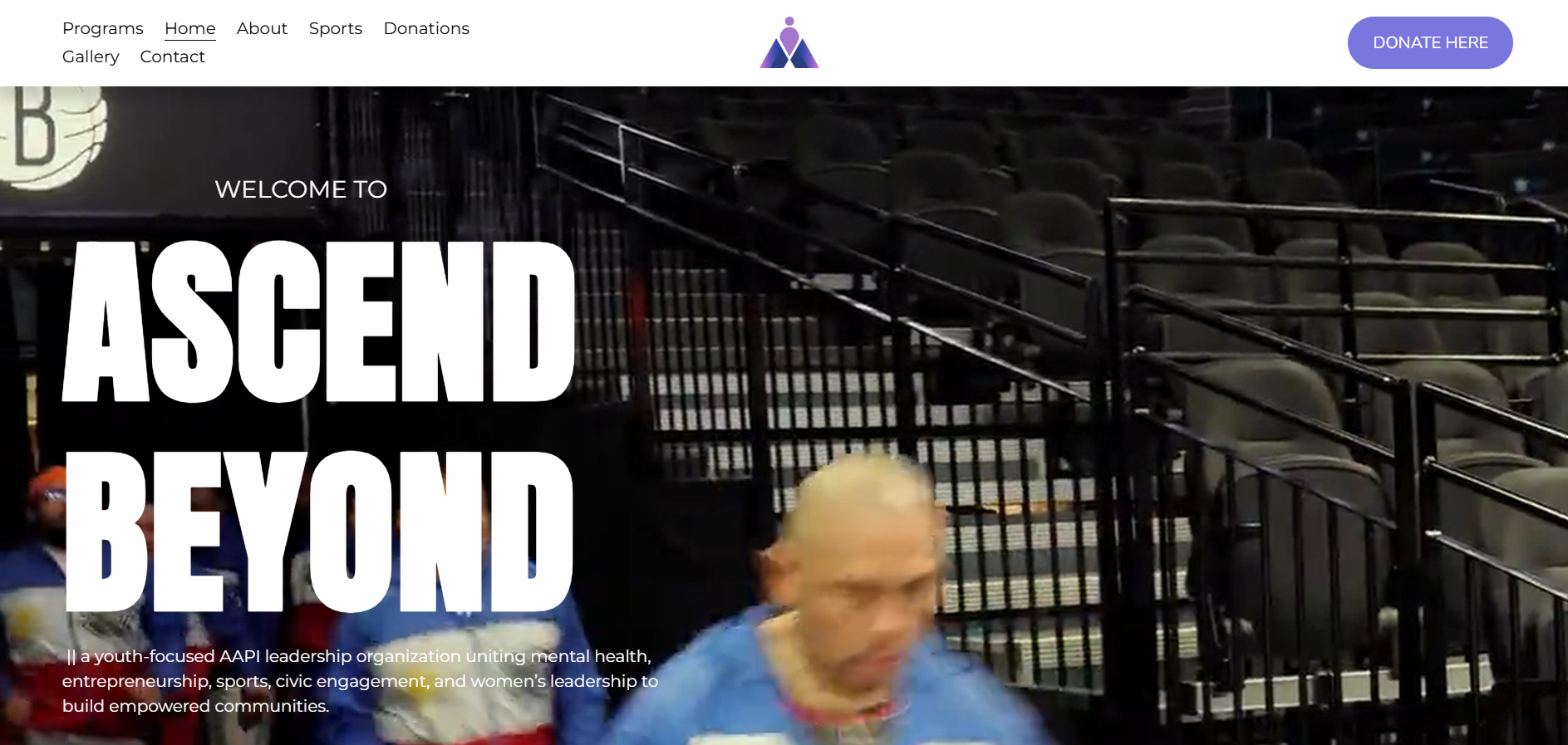
Building the Digital Foundation for an AAPI Youth Leadership Organization
Dare to Change created Ascend Beyond’s website as the digital foundation for a growing nonprofit, bringing its mission, programs, brand, and organizational vision together into one platform designed to support visibility, participation, partnerships, and long term growth.
DTC developed the website strategy, information architecture, content structure, organizational messaging, user experience, design, and development for Ascend Beyond. The website was built to clearly communicate the organization’s mission to develop and elevate young AAPI leaders while creating dedicated space for its work across youth leadership, women’s empowerment, entrepreneurship, and holistic wellness through sports.
The website also helped translate Ascend Beyond’s broader organizational strategy into a cohesive public identity. DTC structured how programs were presented, integrated the organization’s brand throughout the digital experience, and developed messaging that connected individual initiatives to a larger vision of leadership development, identity, wellness, opportunity, and community. This gave prospective participants, partners, supporters, and community members a clearer understanding of both what Ascend Beyond does and what the organization is building.
More broadly, the website became part of the institutional infrastructure DTC helped create for Ascend Beyond. By connecting organizational positioning, brand identity, programming, communications, and digital development, DTC helped establish a platform that can evolve alongside the nonprofit as its programs, partnerships, audiences, and geographic reach continue to grow.
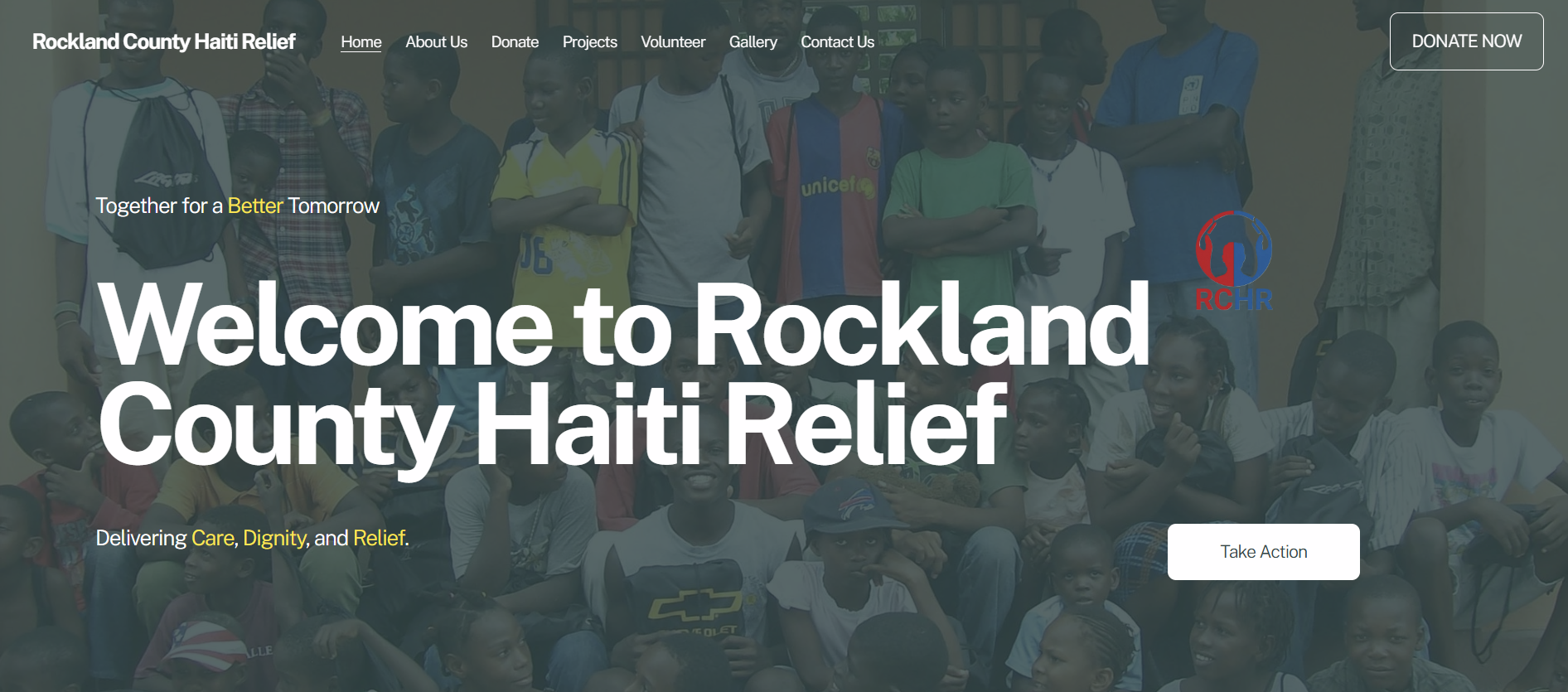
Building a Digital Platform for Haitian International Community Relief & Support
Dare to Change developed Rockland County Haiti Relief’s website as a centralized platform for communicating its mission, programs, community resources, and opportunities for supporters to engage with its work.
DTC developed the website strategy, structure, messaging, user experience, design, and digital infrastructure for Rockland County Haiti Relief. The website was created to give the organization a clearer and more professional public presence while making it easier for community members, partners, donors, and supporters to understand its work supporting Haitian families and communities.
The platform organized information around the organization’s community services, relief initiatives, programs, events, partnerships, and ways to contribute, creating clearer pathways for people to access resources or support the organization. DTC also helped strengthen how Rockland County Haiti Relief communicates its mission and impact, ensuring that its digital presence reflected both its community roots and its broader organizational goals.
More broadly, the website created a stronger digital foundation for future growth. By connecting organizational messaging, community engagement, fundraising, program visibility, and website development, DTC helped Rockland County Haiti Relief establish an online platform that can continue evolving as its services, partnerships, fundraising efforts, and community reach expand.
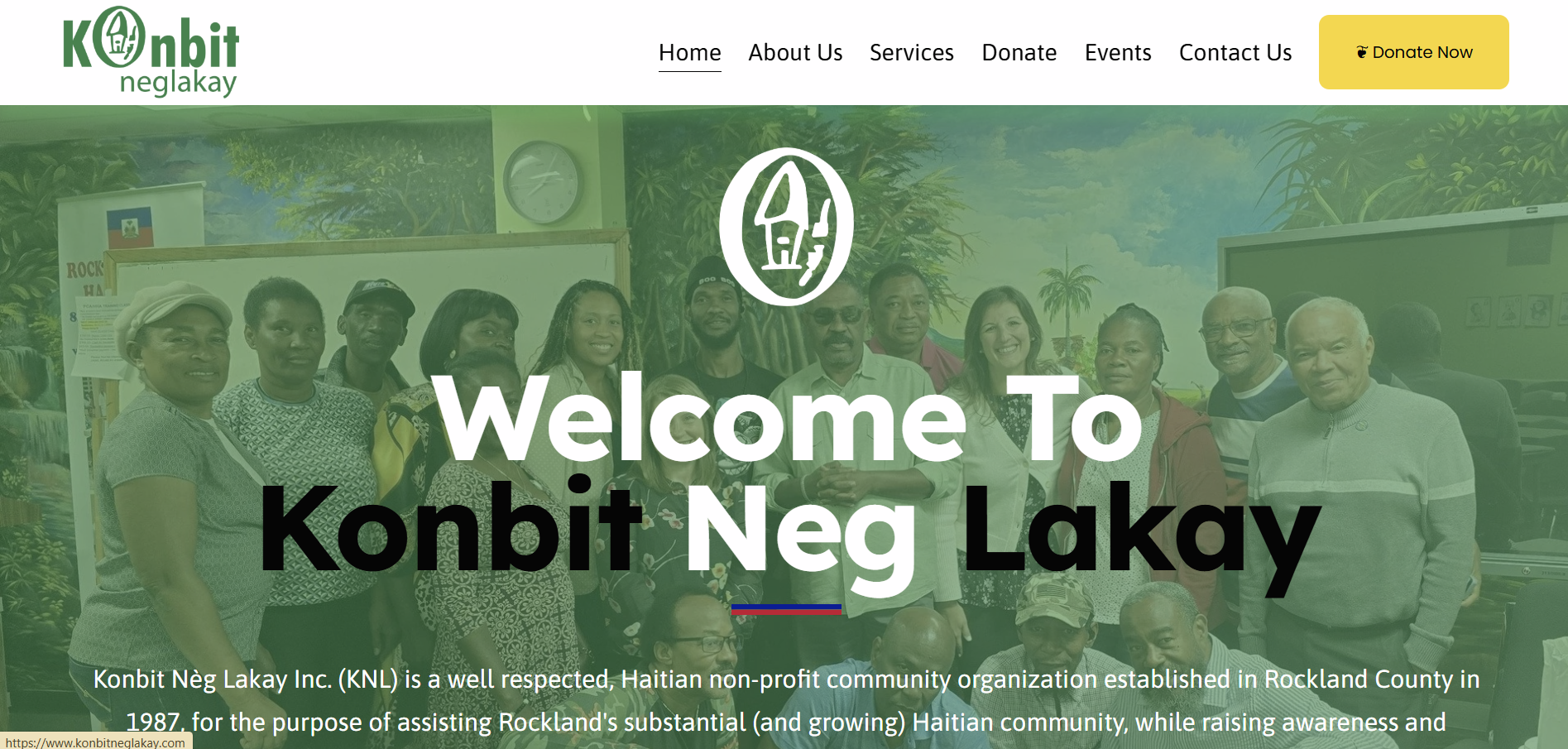
Building a Digital Hub for Haitian Community Services, Programs & Organizational Growth
Dare to Change developed Konbit Neg Lakay’s website as a centralized digital platform for connecting community members with programs, services, resources, events, and opportunities to engage with the organization.
DTC developed the website strategy, structure, messaging, user experience, design, and digital infrastructure for Konbit Neg Lakay (KNL). The website was organized to make the organization’s growing range of services easier to understand and access, including workforce and healthcare training programs, community initiatives, youth programming, events, and other services supporting Haitian and immigrant communities.
The platform was also designed around practical community access. DTC helped strengthen pathways for program registration, appointment and booking requests, year round soccer enrollment, community space rental, organizational updates, and service information, allowing the website to function as an operational resource rather than simply an informational page. The structure also gave KNL greater flexibility to continuously update programs, opportunities, and community resources as its work expands.
More broadly, the website helped bring KNL’s programs, communications, and organizational identity into a more cohesive digital presence. By connecting website development, program visibility, community access, communications, and organizational infrastructure, DTC created a platform that can continue evolving as KNL expands its services, partnerships, programming, and community reach.
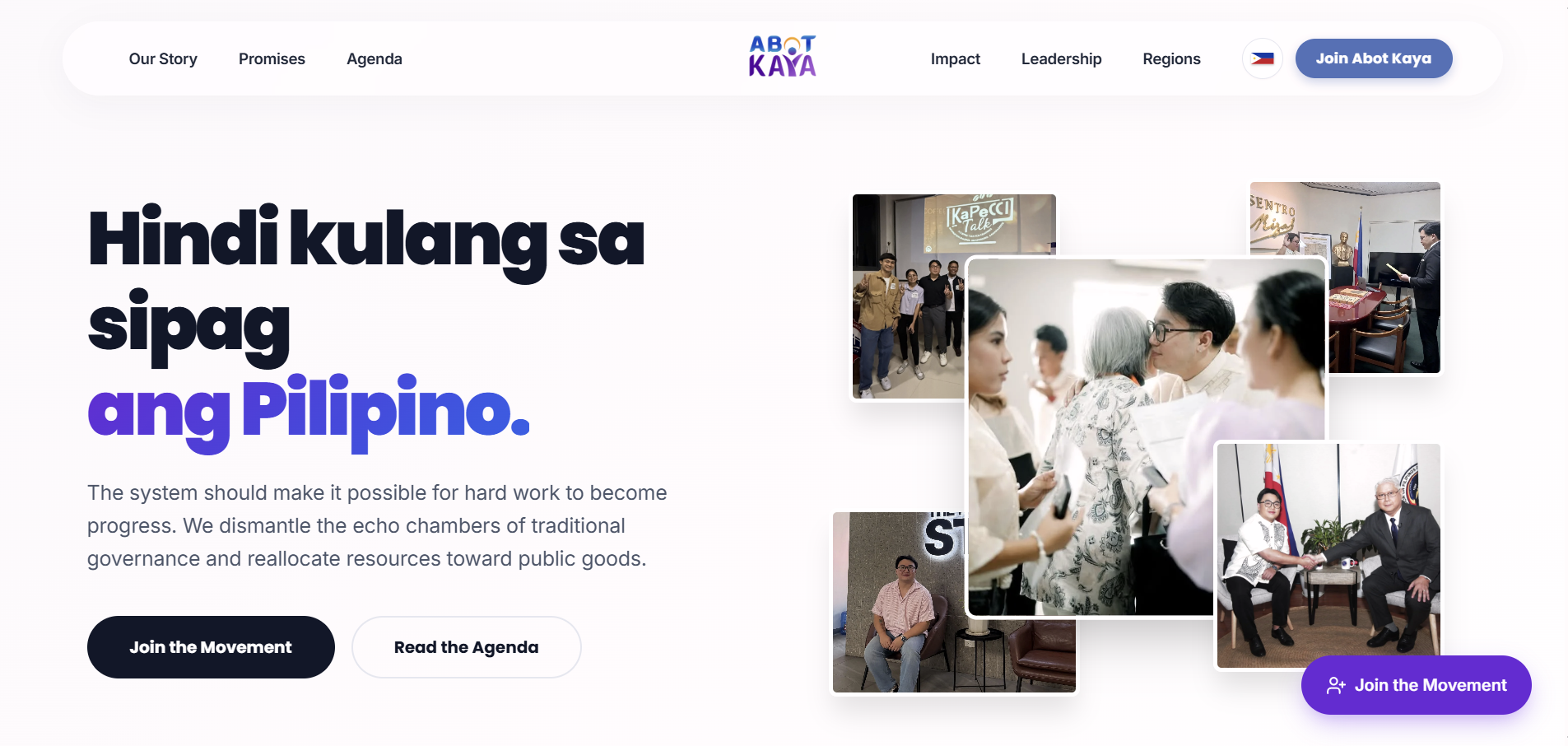
Building the Digital Infrastructure for a National Political Movement
Dare to Change developed the Abot Kaya Partylist website as a central digital platform for communicating its vision, policy agenda, membership structure, organizing model, and pathways for Filipinos to participate in building the movement.
DTC developed the website strategy, information architecture, messaging, user experience, design, and content framework for Abot Kaya Partylist. The platform was structured to clearly present Abot Kaya’s policy agenda around Affordable Life, Economic Mobility, and Government That Works, while giving visitors a deeper understanding of the movement’s priorities across areas such as healthcare, education, housing, economic opportunity, and government performance. The website was designed to make these policy ideas understandable and accessible rather than presenting them only as traditional political messaging.
The website also serves as organizing infrastructure. DTC created pathways for membership registration, chapter development, community participation, policy engagement, resources, and opportunities for Filipinos in the Philippines and abroad to become involved. The structure supports Abot Kaya’s approach to building participation from the local level upward, giving members and prospective chapters a centralized place to understand the organization, its priorities, and ways to contribute to its work.
More broadly, DTC designed the website to support Abot Kaya’s development from an emerging political initiative into a more structured national organization. By connecting policy communication, membership growth, chapter organizing, civic education, public engagement, and digital infrastructure, the platform provides a foundation that can evolve as Abot Kaya expands its programs, local networks, policy work, and organizational presence.
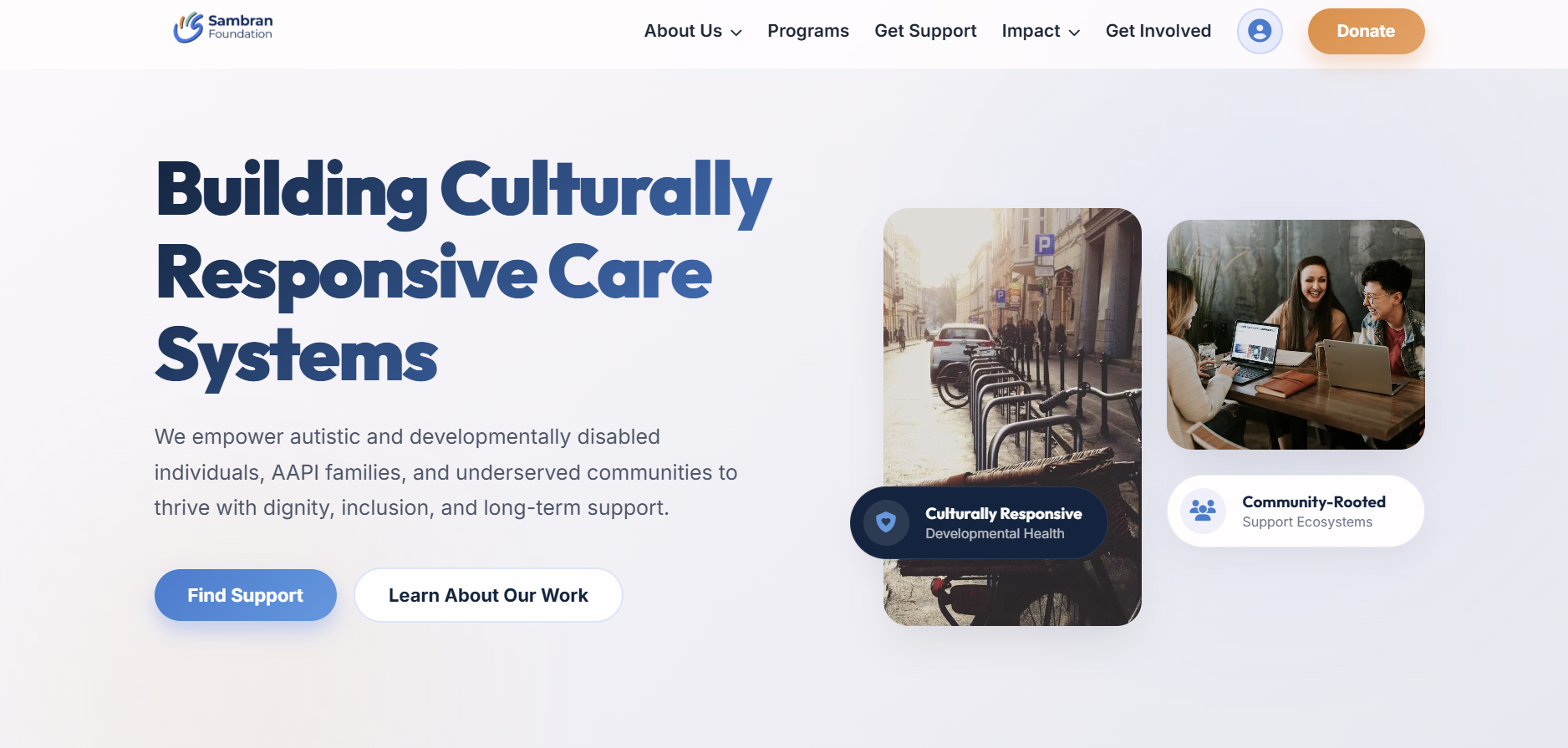
Building the Digital Foundation for Culturally Responsive Developmental Health
Dare to Change developed the Sambran Foundation’s website as the digital foundation for an emerging nonprofit focused on developmental health, autism and developmental disabilities, caregiver support, and culturally responsive services for AAPI, immigrant, and underserved families.
DTC worked with the Sambran Foundation to create a website that clearly communicated its mission, programs, and institutional identity. Sambran’s work centers on strengthening support systems for children and adults with developmental disabilities, including autism, while also addressing the needs of parents, caregivers, and families who may face cultural stigma, limited access to culturally competent resources, and gaps in long term support. The website was structured to present Sambran not simply as a service provider, but as an organization building a broader ecosystem around developmental health, family stability, caregiver support, inclusion, and belonging.
The platform was designed to organize and communicate Sambran’s growing body of work, including initiatives focused on caregiver support, lifelong developmental pathways, culturally grounded education, family leadership, community programming, advocacy, and social connection. DTC also built the site to support future growth, giving Sambran space to communicate direct services, educational and social programming, partnerships, resources, organizational impact, and its longer term vision of expanding its work beyond the United States, including future engagement in the Philippines.
More broadly, the website was part of DTC’s larger effort to help Sambran build a credible institution from the ground up. By connecting organizational strategy, program architecture, brand identity, messaging, and website development, DTC created a digital platform that gives families, funders, partners, and community stakeholders a clearer understanding of what Sambran is building and provides the organization with infrastructure it can continue expanding as its programs, partnerships, and geographic reach grow.